
Semi Trailer vs Full Trailer: Differences, Capacity & Uses

A semi-trailer and a full trailer can carry similar types of freight, but they connect to the towing vehicle and support their weight in fundamentally different ways. A semi-trailer transfers a substantial part of its weight through the kingpin and fifth wheel to a tractor unit, while a full or drawbar trailer supports essentially its own weight on its axles and follows a rigid truck through a drawbar coupling.
The semi trailer vs trailer decision therefore affects much more than body type. It changes the towing vehicle, coupling system, weight distribution, turning behaviour, loading volume, fleet flexibility and the way the complete vehicle combination is operated.
Semi-Trailer vs Trailer: What Is the Actual Difference?
European legislation defines a semi-trailer as a trailer designed to impose a substantial vertical load on the towing vehicle. Its coupling uses a kingpin and fifth wheel. A drawbar trailer, by contrast, has its own axle arrangement and transmits little static vertical load through the towing device.
This means the semi-trailer cannot normally stand or operate as a road vehicle without support at the front when uncoupled. When connected, the tractor unit effectively carries part of the semi-trailer's laden weight.
A full trailer supports its load through its own front and rear running gear. In European regulatory terminology, the closest category is usually a drawbar trailer. ISO terminology describes a full trailer as a trailer with front and rear running gear that provides its own vertical support.
| Feature | Semi-trailer | Full / drawbar trailer |
|---|---|---|
| Front support while driving | Partly supported by tractor unit | Supported by its own axles |
| Typical coupling | Kingpin + fifth wheel | Drawbar eye + drawbar coupling |
| Towing vehicle | Tractor unit | Usually rigid truck |
| Typical freight configuration | One large cargo body | Truck body + separate trailer body |
| Common heavy-freight axle layout | Three trailer axles | Two or three trailer axles |
| Fleet swapping | Very flexible between tractor units | Usually operated as part of a truck-and-trailer combination |
| Reversing | One articulation point | More demanding, especially with steerable drawbar trailer |
How a Semi-Trailer Carries the Load
The defining feature of a semi-trailer is that its own axles carry only part of the total load. The front of the trailer rests on the tractor unit through the fifth wheel, transferring both vertical load and towing forces through the kingpin.
A conventional European curtainsider provides a useful example. The KRONE Profi Liner SDP 27 has a technically possible kingpin load of 12,000 kg and axle load of 27,000 kg, giving a technical gross weight of 39,000 kg. Its tare weight is approximately 6,290 kg and technically possible payload about 32,710 kg in the referenced specification. Actual road-legal loading can be lower because vehicle-combination, axle and national limits still apply.
That load-sharing arrangement is one reason semi-trailers pair naturally with tractor units. A fleet can uncouple one semi-trailer and connect another without changing the powered vehicle, making the format particularly useful for long-distance freight, drop-and-hook operations and large logistics networks.
Typical Semi-Trailer Size
A standard European curtainsider semi-trailer is commonly around 13.6 m long. The KRONE example has an overall body length of approximately 13.62 m, 2.55 m external width and around 6.3 tonnes tare weight. These figures are representative of a mainstream three-axle curtainsider, not every semi-trailer: reefers, low loaders, tankers, tippers and container chassis can differ substantially.


How a Full Trailer Differs
A full trailer carries its weight on its own running gear rather than placing a substantial vertical load on the towing truck. Traditional full trailers use front and rear axles, with the front axle or axle group steering through the drawbar as the truck turns.
In current EU type-approval terminology, this arrangement is normally described as a drawbar trailer. Regulation (EU) 2018/858 defines a drawbar trailer as having at least two axles, at least one steered, with a vertically movable towing device and less than 100 daN static vertical load transferred to the towing vehicle.
A real commercial example is the KRONE Profi Carrier AZP 18. This two-axle curtainsider drawbar trailer has an 18,000 kg allowable gross weight, tare weight of about 4,170 kg, 7.1 m internal loading length and 2.48 m internal width in standard specification.
Three-axle full trailers also exist. KRONE documentation for the ADP 27 lists a permitted total weight of 24 tonnes and tare weight around 5.34 tonnes in its basic configuration. That illustrates why “trailer” should not be understood only as a small 750 kg or 3.5 tonne tow-behind unit. Heavy commercial drawbar trailers form a separate part of the freight market.


Semi-Trailer vs Full Trailer: Capacity Is More Complicated Than It Looks
It is tempting to compare the payload printed on each trailer, but the meaningful comparison is the capacity of the complete vehicle combination.
Under the EU framework used for international road traffic, a five- or six-axle road train consisting of a motor vehicle plus trailer can generally reach 40 tonnes maximum authorised combination weight. A five- or six-axle articulated vehicle consisting of a tractor and semi-trailer is also generally limited to 40 tonnes, with specific higher limits available for certain intermodal operations.
This means a semi-trailer does not automatically allow a heavier legal combination simply because the trailer itself may have a technical gross rating of 36, 39 or more tonnes. Likewise, a truck and full trailer may divide the total load between two cargo bodies while remaining within the same overall road-train weight framework.
| Capacity factor | Semi-trailer combination | Truck + full trailer |
|---|---|---|
| Where cargo is carried | Primarily one large semi-trailer body | Rigid truck body + trailer body |
| Common EU international combination limit | 40 t for many 5/6-axle configurations | 40 t for many 5/6-axle configurations |
| Individual trailer axle limits | Depend on axle number and spacing | Depend on axle number and spacing |
| Useful volume | Concentrated in one long loading platform | Split between truck and trailer |
| Loading flexibility | One main body | Two separate loading bodies can support multi-drop work |
National rules, domestic exemptions, intermodal operations and special transport can change the applicable limits, so the EU figures should be treated as a common international framework rather than a universal answer for every route.
Length and Manoeuvrability: The Geometry Is Different
EU dimension rules illustrate another important difference. Under Directive 96/53/EC, a conventional articulated vehicle is generally limited to 16.50 m overall length, while a road train can extend to 18.75 m. A standalone trailer is generally limited to 12 m. The common maximum width is 2.55 m, or 2.60 m for certain conditioned bodies, and general vehicle height is 4.00 m under the directive framework.
The longer overall allowance does not necessarily make a full-trailer road train easier to manoeuvre. A tractor/semi-trailer combination has one primary articulation point at the fifth wheel. A traditional full trailer introduces another steering relationship through the drawbar and front running gear.
That difference is particularly noticeable when reversing. Professional drivers can reverse both configurations, but a drawbar trailer generally requires more complex steering corrections because the trailer's front axle changes direction as the drawbar moves.
Forward manoeuvring can tell a different story. A well-designed truck-and-trailer combination can follow the towing truck closely, and its two shorter cargo bodies may suit regional delivery routes. Actual swept path depends on wheelbase, drawbar length, steering design and axle configuration rather than trailer type alone.
Where Semi-Trailers Make the Most Sense
Long-Haul General Freight
Semi-trailers dominate many long-distance operations because the tractor and cargo unit can be separated easily. A tractor arriving at a depot can drop one semi-trailer and collect another while the first remains at a loading bay.
Curtainsiders are especially common. Current Truck1 stock contains roughly 1,780 curtainsider semi-trailers, making them one of the largest individual semi-trailer segments. Low loaders and tippers are also strongly represented.
Refrigerated and High-Value Freight
A single large semi-trailer body is convenient for temperature-controlled long-haul transport because the refrigeration system, insulation and loading space remain together as one cargo unit. The same principle applies to closed boxes and many high-volume logistics applications.
Intermodal and Container Operations
Container chassis are naturally suited to semi-trailer operation. Current Truck1 examples include extendable three-axle chassis capable of handling 20-, 30-, 40- and 45-foot container configurations depending on model.
Drop-and-Hook Fleet Operations
This is one of the strongest advantages of the format. A fleet can own more semi-trailers than tractor units and keep freight moving while some trailers are being loaded, unloaded or waiting at customers.
Where Full Trailers and Road Trains Work Better
Regional Distribution
A rigid truck with its own cargo body remains useful even after the trailer is disconnected. This can make a truck-and-trailer combination attractive for distribution networks where part of the route is completed with the truck alone.
For example, a driver can bring a full road train to a regional hub, leave the trailer and continue deliveries with the rigid vehicle. A tractor unit cannot perform the equivalent freight task after dropping its semi-trailer because it has no cargo body of its own.
Swap-Body Logistics
Drawbar trailers are widely used with swap bodies. Fliegl's current two-axle swap-body trailers, for example, are technically rated at 18 tonnes and around 14.9–15.4 tonnes payload depending on version. Kögel likewise offers 18-tonne Combi drawbar chassis for standard swap bodies and 20-foot containers.
This architecture can be particularly efficient for parcel networks, regional freight and operations where truck and trailer bodies need to be exchanged independently.
Operations That Need Two Separate Cargo Compartments
A road train naturally gives the operator two physical cargo units. That can help when loads need to be separated by destination, customer or unloading sequence.
Full Trailer vs Semi-Trailer: Which Is Easier to Operate?
| Operational question | Better fit | Reason |
|---|---|---|
| Long-haul trunk routes | Semi-trailer | Simple tractor interchange and one large cargo body |
| Drop-and-hook logistics | Semi-trailer | Trailer can remain while tractor continues working |
| Regional multi-drop delivery | Full trailer / road train | Rigid truck can continue operating after trailer is detached |
| Swap-body networks | Full trailer / drawbar trailer | Well suited to independent truck and trailer bodies |
| Reverse manoeuvring | Semi-trailer | Single main articulation is generally simpler to control |
| Maximum fleet interchangeability | Semi-trailer | Standard fifth-wheel tractor units can swap among compatible trailers |
| Two independently accessible load sections | Full trailer / road train | Cargo can be divided between truck and trailer |
Semi-Trailer vs Trailer Costs: What Actually Changes?
The purchase price of the trailer itself is only one part of the cost comparison. The more important difference is the fleet architecture required around it.
Tractor Unit vs Rigid Truck
A semi-trailer requires a tractor unit, while a full trailer normally follows a rigid truck that already carries its own load. Comparing only the two trailers therefore ignores a large part of the capital investment.
Fleet Utilisation
Semi-trailer fleets can improve tractor utilisation by keeping additional trailers available for loading and unloading. In operations with long waiting times at warehouses, this can be more valuable than a small difference in trailer purchase price.
Maintenance
Both formats require maintenance of tyres, brakes, axles, suspension, lighting and body equipment. A traditional full trailer also has a drawbar and steering system at the front running gear that needs inspection, while a semi-trailer requires close attention to the kingpin, landing legs and fifth-wheel interface.
Fuel and Road Costs
Fuel use cannot be assigned to the trailer format alone. Gross weight, aerodynamics, tyre specification, axle alignment, route, speed and the towing vehicle all matter. Road charges can also depend on country, vehicle class, axle count, emissions class and total combination specification.
For this reason, there is no reliable universal rule that a full trailer or a semi-trailer always has lower total operating cost.
Which Is Better: Semi-Trailer or Full Trailer?
A semi-trailer is usually the stronger choice for long-haul freight, international linehaul, drop-and-hook operations and fleets that want to interchange cargo units quickly between tractor units. It concentrates the freight into one large loading body and works naturally with the tractor-unit model used throughout European long-distance transport.
A full or drawbar trailer can be the better choice for regional distribution, swap-body transport and operations where the rigid truck needs to remain productive without its trailer. The separate truck and trailer cargo bodies also create operational options that an articulated tractor/semi-trailer does not provide.
For many fleets, the real answer is determined by logistics architecture rather than trailer capacity. If freight moves mainly hub-to-hub, the semi-trailer often has the advantage. If routes combine a large road train with local deliveries performed by the rigid truck alone, a full trailer can be the more flexible system.
FAQ: Trailer vs Semi-Trailer
Is a semi-trailer technically a trailer?
In everyday language, “trailer” is often used as a broad term for any unpowered towed vehicle. In EU regulatory terminology, however, trailer and semi-trailer are separate definitions because a semi-trailer transfers a substantial part of its weight to the towing vehicle.
What is the difference between a full trailer and a semi-trailer?
A full trailer supports its own weight through front and rear running gear and is normally pulled through a drawbar. A semi-trailer relies on the tractor unit to support a substantial part of its weight through the fifth-wheel coupling.
Can a semi-trailer be pulled by a rigid truck?
Not directly in the same way as a normal drawbar trailer. A semi-trailer requires a fifth-wheel coupling and suitable load support. Special converter-dolly arrangements exist, but the standard European semi-trailer combination uses a tractor unit.
Which carries more: a full trailer or a semi-trailer?
Neither automatically carries more under road rules. Payload depends on the complete vehicle combination, tare weight, axle configuration and legal limits. Under the common EU international framework, both five- or six-axle road trains and comparable articulated combinations can generally operate at up to 40 tonnes, with specific exceptions for some operations.
Why are semi-trailers so common in long-haul transport?
They allow a tractor unit to connect quickly to different cargo units, provide a large continuous loading platform and work efficiently with drop-and-hook logistics. That makes them particularly suitable for long-distance and high-volume fleet operations.
What are the main types of full trailer vs semi-trailer?
Both can be built as curtainsiders, boxes, refrigerated bodies, flatbeds, tippers, tankers and specialist equipment. Semi-trailers are especially common in long-haul curtainsider, reefer, tanker, container and low-loader applications, while full or drawbar trailers are also widely used for regional freight, swap bodies, construction equipment and specialised transport.

Vehicle categories tagged as "Semi Trailer vs Full Trailer: Differences, Capacity & Uses"
Latest offers

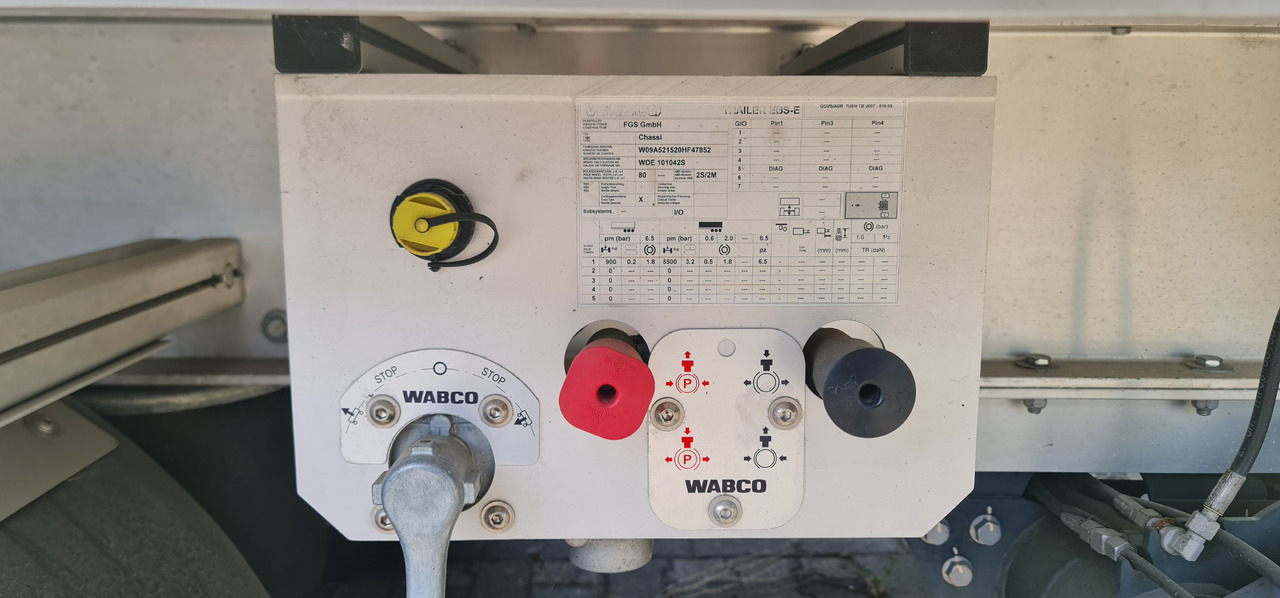
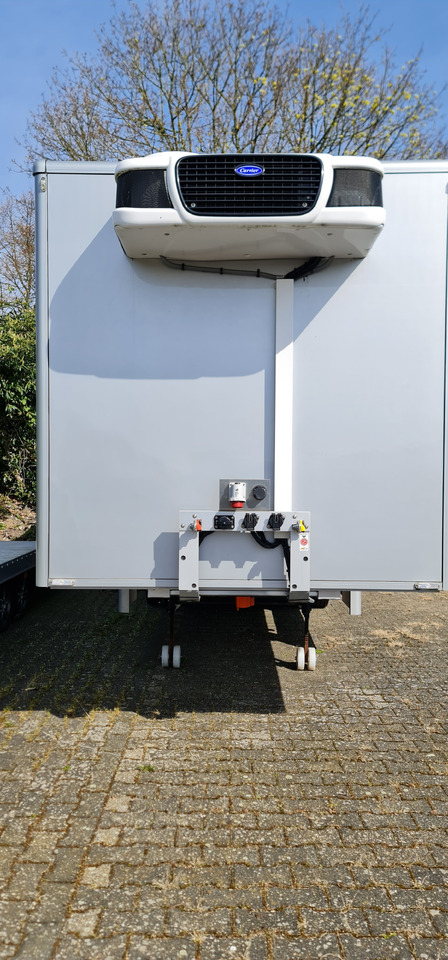

FGS BE-Linear
30 000EUR
Price excl. VAT
- ≈ 33 468 USD
- ≈ 25 343 GBP


Buiscar buizentrailer


Krone Hertoghs O3 / Curtainside Trailer / SAF Disk / Loadlift / APK TUV 05-27
6 400EUR
Price excl. VAT
- ≈ 7 139 USD
- ≈ 5 406 GBP


Krone Hertoghs O3 / Curtainside Trailer / SAF Disk / Loadlift / APK TUV 05-27
6 400EUR
Price excl. VAT
- ≈ 7 139 USD
- ≈ 5 406 GBP


Renders Liftas ROC 12.27 N | LAADKLEP
3 500EUR
Price excl. VAT
- ≈ 3 904 USD
- ≈ 2 956 GBP


Schmitz Cargobull 7 x SCS 24/L-13.62E DB
7 900EUR
Price excl. VAT
- ≈ 8 813 USD
- ≈ 6 673 GBP


Weightlifter 3STD tipper semi-trailer
4 000EUR
Price excl. VAT
- ≈ 4 462 USD
- ≈ 3 379 GBP


Krone SDP27 flatbed semi-trailer
1 300EUR
Price excl. VAT
- ≈ 1 450 USD
- ≈ 1 098 GBP


Ovriga SO3SST tipper semi-trailer
7 600EUR
Price excl. VAT
- ≈ 8 478 USD
- ≈ 6 420 GBP


Schmitz Cargobull SPL24L platform semi-trailer
3 100EUR
Price excl. VAT
- ≈ 3 458 USD
- ≈ 2 618 GBP


Tiki KP3500-DRB curtain side semi-trailer
2 400EUR
Price excl. VAT
- ≈ 2 677 USD
- ≈ 2 027 GBP


Wielton NS3S flatbed semi-trailer
2 150EUR
Price excl. VAT
- ≈ 2 398 USD
- ≈ 1 816 GBP


WIELTON NS3D 36.0t
12 100EUR
Price excl. VAT
- ≈ 13 498 USD
- ≈ 10 221 GBP


Schmitz Cargobull GOTHA SKI 18-7.2 tipper semi-trailer
4 300EUR
Price excl. VAT
- ≈ 4 797 USD
- ≈ 3 632 GBP


Schmitz Cargobull SKI 24 SL 7.2 tipper semi-trailer
8 200EUR
Price excl. VAT
- ≈ 9 148 USD
- ≈ 6 927 GBP


TA-NO curtain side semi-trailer
3 500EUR
Price excl. VAT
- ≈ 3 904 USD
- ≈ 2 956 GBP


Langendorf glass transport semi-trailer
2 200EUR
Price excl. VAT
- ≈ 2 454 USD
- ≈ 1 858 GBP


TRAILOR 2 essieux jumelés
3 500EUR
Price excl. VAT
- ≈ 3 904 USD
- ≈ 2 956 GBP
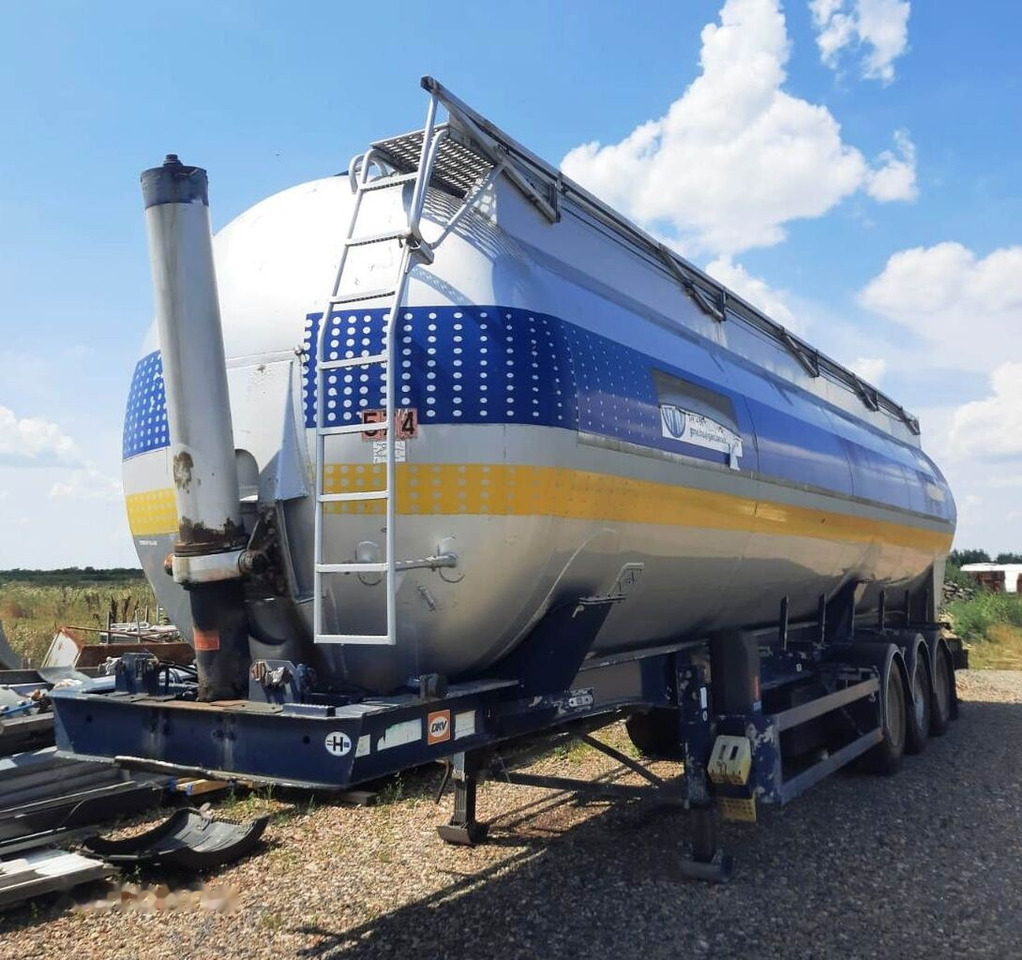
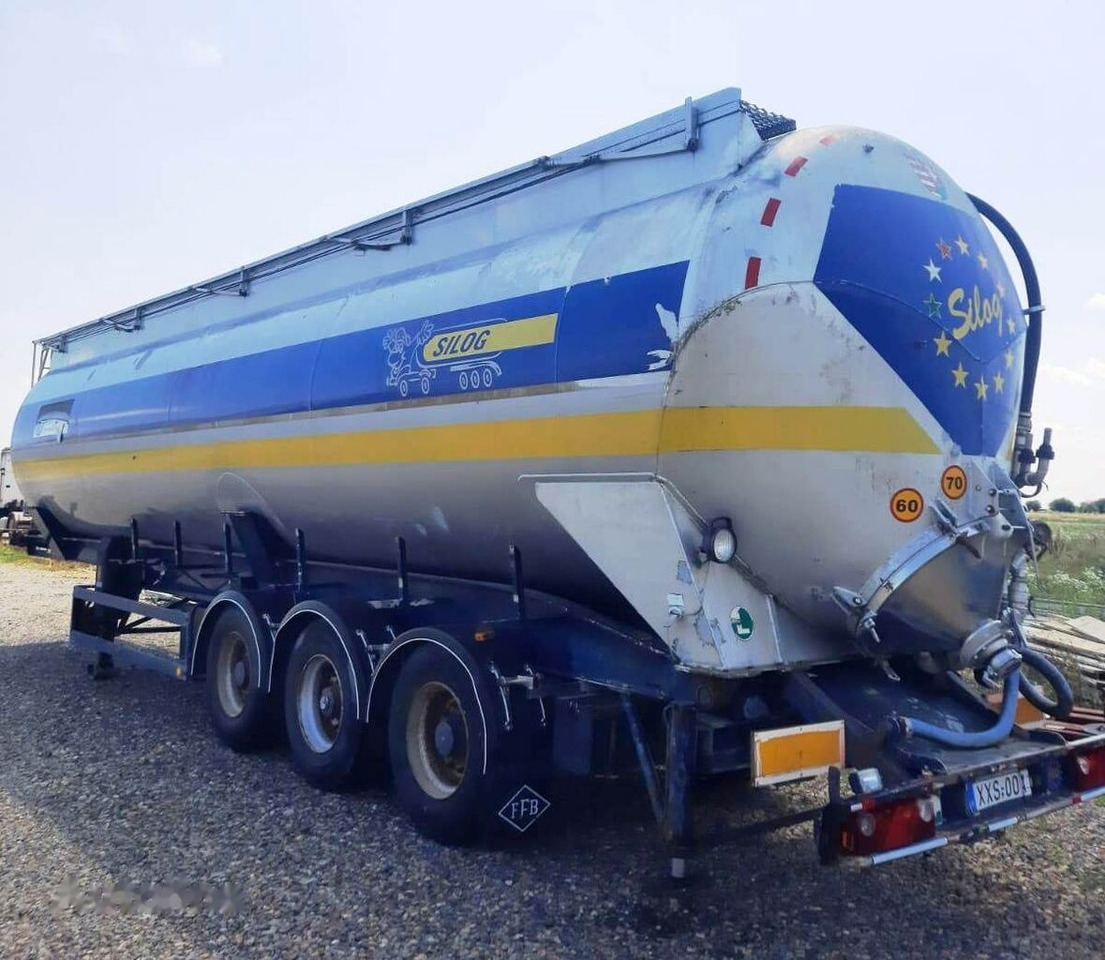
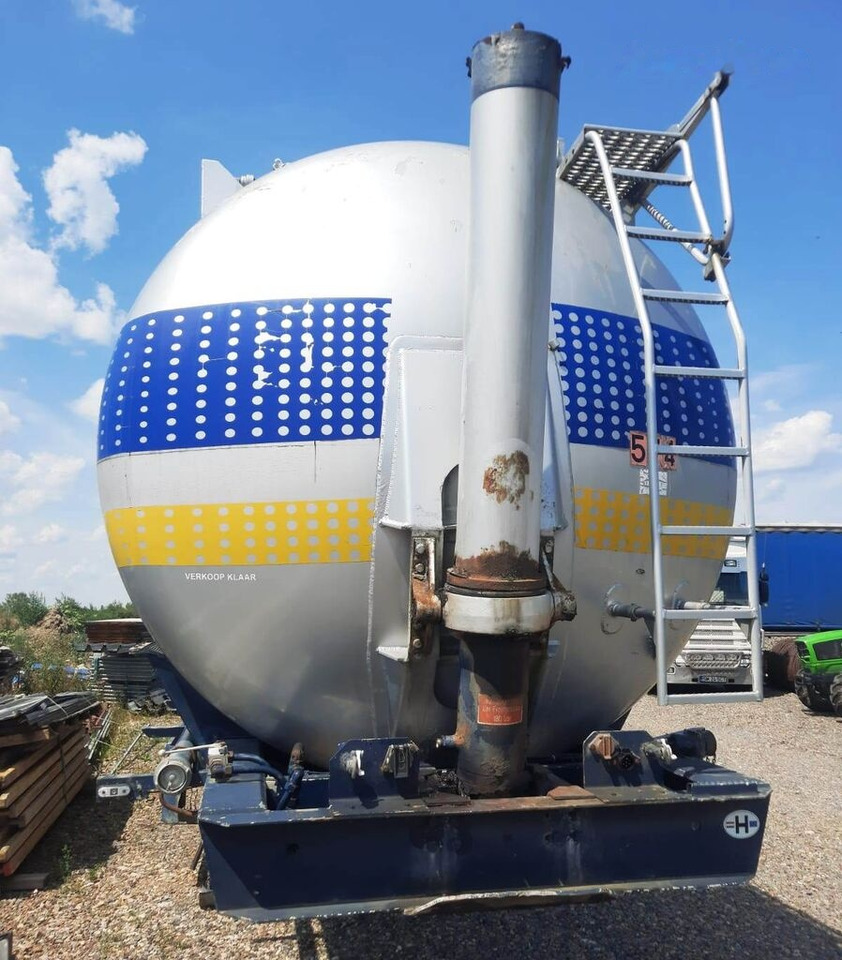

Feldbinder
13 500EUR
- ≈ 15 060 USD
- ≈ 11 404 GBP


Goldhofer STZ-P 8-91/80 A (2+6)

Humus 30CT Dumpervagn (144153)


STU Trailers Haspelwagen Special Hydraulic kabel drawbar snelverkeer


Tandemas bakkenwagen


Verzinkte bakkenwagen


3 asser tridem kipper - Gebruikt


Onbekend


Midi kipper 4 ton


Agomac


Kipper


Beco


Onbekend


Beco Maxxim 180


Kipper 1,5 ton


Beco Brevis 120


Snipperkieper


SNIPPER wagen


Onbekend


zocon Z045 EU (COC)


Beco maxxim 260


Comments