Distribution transport
Curtainsider semi-trailers
1724Refrigerator semi-trailers
864Closed box semi-trailers
555Isothermal semi-trailers
200Dropside/ Flatbed semi-trailers
668Tank semi-trailers
746Silo semi-trailers
270Chassis semi-trailers
38Container transporters/ Swap body semi-trailers
658Walking floor semi-trailers
207Belt semi-trailers
6Autotransporter semi-trailers
143Timber semi-trailers
101Beverage semi-trailers
5Livestock semi-trailers
48Construction machinery


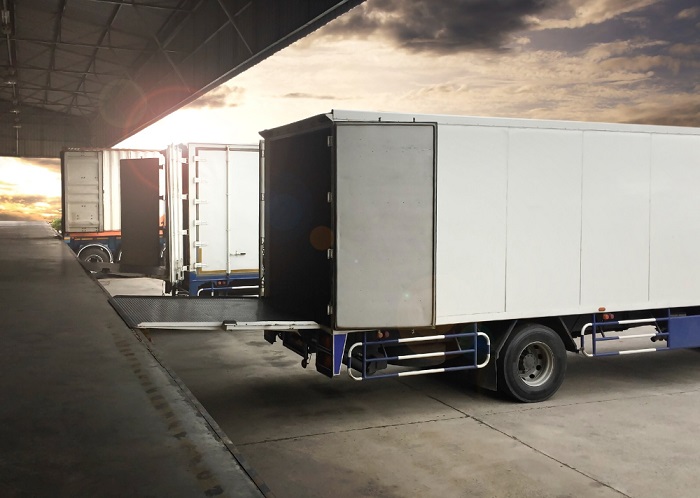
Semi-trailers are the cornerstone of modern road freight, providing the capacity to transport a vast array of goods efficiently. As unpowered units coupled to a tractor, their design is highly specialised to match the cargo's characteristics. Operators select specific types based on a combination of factors, including the required internal volume for low-density goods, the maximum payload capacity for heavy materials, and the most efficient loading and unloading methods, such as from the rear, side, or top.
Types of Semi-trailers
The European market features a wide variety of semi-trailer designs, each engineered for a specific transport task:
- Curtainsider semi-trailers (Tautliner): Ideal for palletised goods, its flexible tarpaulin sides allow for fast loading and unloading from the side or rear.
- Box (Dry Van): Provides a rigid, enclosed structure for secure and weather-protected transport of general cargo, electronics, or parcels.
- Refrigerated semi-trailers (Reefer): Equipped with a cooling unit, it is essential for transporting temperature-sensitive products like fresh food, flowers, and pharmaceuticals.
- Flatbed: An open deck trailer used for carrying heavy, oversized, or irregularly shaped cargo such as steel beams, precast concrete, or machinery.
- Tipper: Designed for bulk materials like sand, gravel, scrap metal, or agricultural products, featuring a hydraulic system to tilt the body for unloading.
- Low-loader (Lowboy): Features a very low deck height, making it perfect for legally and safely transporting tall and heavy construction or agricultural equipment.
- Tanker: A specialised trailer for hauling liquids (fuel, milk, chemicals) or dry bulk powders (cement, flour) in a cylindrical tank.
- Container Chassis (Skeletal): A minimalist frame structure built specifically to lock onto and transport standard ISO shipping containers of various sizes.
Major European Manufacturers
Several key manufacturers dominate the European semi-trailer market, each with a distinct reputation:
- Schmitz Cargobull: A market leader known for its high production volume, innovative technologies like the FERROPLAST insulated panels, and a comprehensive range of reefers and curtainsiders.
- Krone A major competitor recognised for producing durable, high-quality, and versatile trailers, especially the popular Profi Liner and Mega Liner models.
- Kögel (Germany): Focuses on engineering lightweight yet robust trailers to maximise payload and efficiency, offering a full portfolio from box trailers to tippers.
- Wielton (Poland): A leading manufacturer from Eastern Europe, highly regarded for its strong and reliable tipper and agricultural trailers, offering a competitive price-to-quality ratio.
- Schwarzmüller (Austria): Specialises in premium, often custom-configured trailers for demanding sectors like construction, forestry, and long-distance haulage.
New Semi-trailer Prices
The cost of a brand-new unit is determined by its type, specifications, and optional equipment. Standard models provide a baseline, while additions can significantly increase the final cost.
- Standard 3-axle Curtainsider (e.g., Krone Profi Liner): €28,000 – €38,000.
- Refrigerated Trailer with cooling unit (e.g., Schmitz S.KO COOL): €55,000 – €80,000, depending on the unit (Thermo King, Carrier) and insulation grade.
- Aluminium Tipper Trailer (approx. 25 m³, e.g., Wielton NW-3): €35,000 – €55,000.
- 3-axle Low-loader: Prices start from €70,000 and can exceed €150,000 for complex, multi-axle steering models.
Options such as lift axles, reinforced floors for forklift operations, advanced EBS braking systems, telematics, and specific load securing certifications all contribute to a higher final cost.
Used Semi-trailer Prices
The condition, age, and specification are critical when assessing the value of pre-owned semi-trailers. Buyers should carefully inspect the frame for rust or cracks, the floor for wear, and the running gear, including axles (e.g., SAF, BPW), suspension, and brakes.
- Scenario 1: 5-year-old Curtainsider: A well-maintained unit from a premium brand with a solid frame and good tyres can be priced between €12,000 and €18,000.
- Scenario 2: 10-year-old Refrigerated Trailer: A reefer with a functioning but high-hour cooling unit and a valid ATP certificate might cost €8,000 – €15,000. The condition of the insulation and floor is key.
- Scenario 3: 15+ year-old Flatbed/Skeletal: These basic trailers are valued primarily on structural integrity. If the frame and axles are sound, prices typically range from €4,000 to €7,000.
Factors Influencing Price
Several key elements determine the valuation of semi-trailers, whether new or used. Understanding them helps in making an informed purchasing decision.
- Trailer Type: Specialised units like tankers, low-loaders, or refrigerated trailers are inherently more complex and costly than standard curtainsiders or flatbeds.
- Internal Volume & Load Capacity: Mega trailers with higher internal height or trailers with reinforced chassis for heavier payloads command a premium.
- Axle Configuration: The number of axles and features like lift or steering axles directly affect cost, maneuverability, and operating expenses.
- Brand and Resale Value: Trailers from established manufacturers like Schmitz Cargobull and Krone often retain their value better than those from lesser-known brands.
- Special Equipment: A high-performance refrigeration unit, a hydraulic tail lift, or specialised load securing systems are significant value drivers.
- Documentation: The availability of a complete service history, Certificate of Conformity (COC), and valid inspection reports is crucial for a fair valuation.
Where to Buy
Logistics companies and fleet operators looking to purchase new or used semi-trailers can utilise the Truck1 marketplace to efficiently source equipment. The platform allows users to search and filter listings by essential criteria, including trailer type, brand, first registration year, number of axles, and the seller's country. This makes it straightforward to find a semi-trailer for sale in Europe that matches specific operational needs.
On Truck1, you can compare multiple offers from a wide network of dealers, view detailed photo galleries and technical specifications, and then contact the seller directly to finalise a purchase. The extensive listings cover everything from nearly new models to older, budget-friendly options.
If you cannot find a suitable listing that meets your requirements, you can submit a request to dealers through our form: I'm looking for.
Frequently Asked Questions
Why are semi-trailers important in Europe's logistic industry?
Semi-trailers play a crucial role in Europe's logistics industry due to their high utility in bulk transportation of goods. They facilitate the swift and efficient movement of products from one location to another, thus enhancing trade within and outside the region. Additionally, the use of semi-trailers helps reduce the cost per unit of freight, contributing to the overall profitability of businesses in the logistics industry.
How much does a new semi-trailer cost in Europe?
The cost of a new semi-trailer in Europe can vary significantly due to factors such as the make, model, features, and the trailer's size. On average, buyers can expect to pay anywhere from €30,000 to €80,000 for a new semi-trailer. Custom-built trailers or those equipped with advanced features may cost higher. It's recommended to get a quotation from several dealers to obtain the best price.
How are European regulations impacting the design and operation of semi-trailers?
European regulations significantly impact the design and operation of semi-trailers. The EU has strict standards concerning weight limits, emission standards, and safety features, which manufacturers must follow when designing and producing semi-trailers. These regulations can also influence the operation as drivers and companies must comply with requirements for loading, vehicle maintenance, and operation to ensure safety and minimize environmental impact.
Why is the demand for eco-friendly semi-trailers increasing in Europe?
The demand for eco-friendly semi-trailers is increasing in Europe due to growing environmental concerns and stricter emission regulations established by the EU. As part of the global move towards sustainability, eco-friendly semi-trailers designed to decrease fuel consumption and lower CO2 emissions are becoming more prevalent. Additionally, the use of such trailers can lead to cost savings in terms of fuel and potential tax benefits, contributing to their growing demand.